
Smart Transformation of Agriculture: Precision Farming and the Rise of Intelligent Food Systems
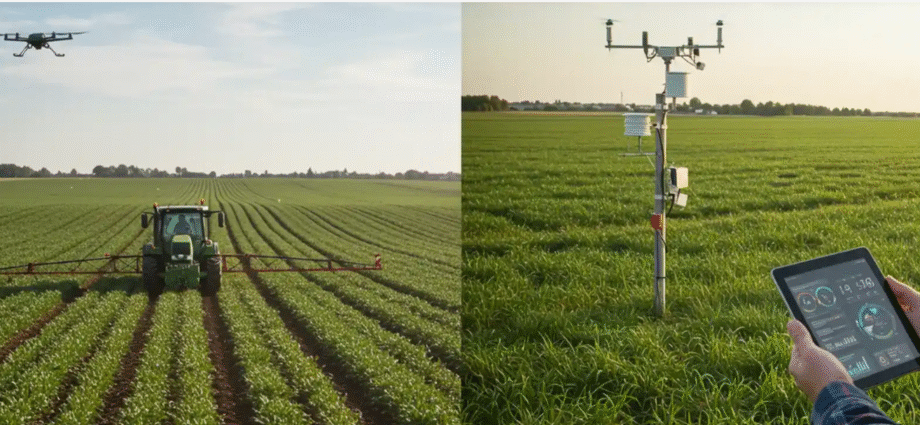
On a quiet morning in the plains of Punjab, a farmer stands in his field, looking at the sky the way his father and grandfather once did searching for signs of rain, reading the wind, and trusting experience over everything else. Yet, only a few hundred kilometers away in a different kind of farm, decisions are being made very differently. A smartphone vibrates with real-time alerts from soil sensors buried beneath the ground. A drone silently moves across fields, identifying crop stress invisible to the human eye. Irrigation begins automatically, not based on guesswork but on data.
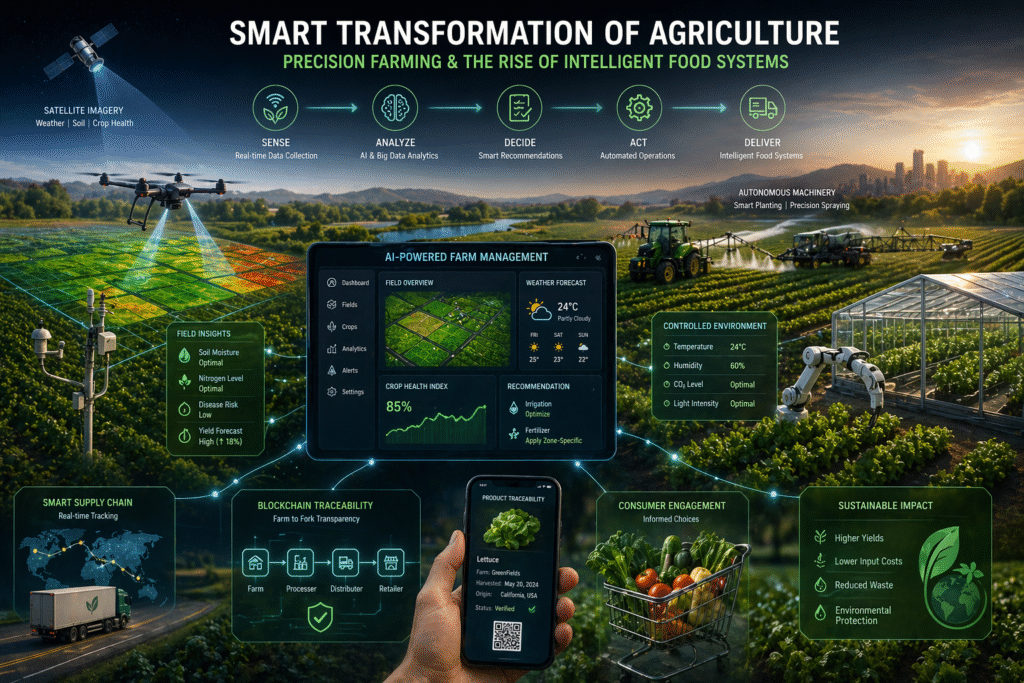
This contrast captures a powerful shift taking place across the world: agriculture is moving from tradition to intelligence.
Precision agriculture and intelligent farming systems represent a new era where farming is no longer only about labor and land but about information, technology, and precise decision-making. At its heart, precision agriculture is built on a simple principle: every part of a field is different, and therefore every part should be treated differently. Instead of applying uniform amounts of water, fertilizer, and pesticides across an entire farm, modern systems use data to apply exactly what is needed, exactly where it is needed, and exactly when it is needed.
This transformation is made possible by a combination of technologies working together. Sensors placed in the soil continuously measure moisture levels, temperature, and nutrient content. Satellites orbiting the earth capture large-scale images that reveal crop health, vegetation stress, and weather impacts. Drones provide high-resolution monitoring from above, identifying diseases and pests at an early stage. Artificial intelligence systems analyze all this information and provide recommendations or even take automated actions without human intervention.
In many developed countries, this shift is already reshaping agriculture. Farmers are becoming data managers, guided by dashboards instead of intuition alone. Crop yields have improved, resource wastage has decreased, and farming has become more resilient to climate variability. What was once a highly uncertain occupation is becoming increasingly predictable and efficient.
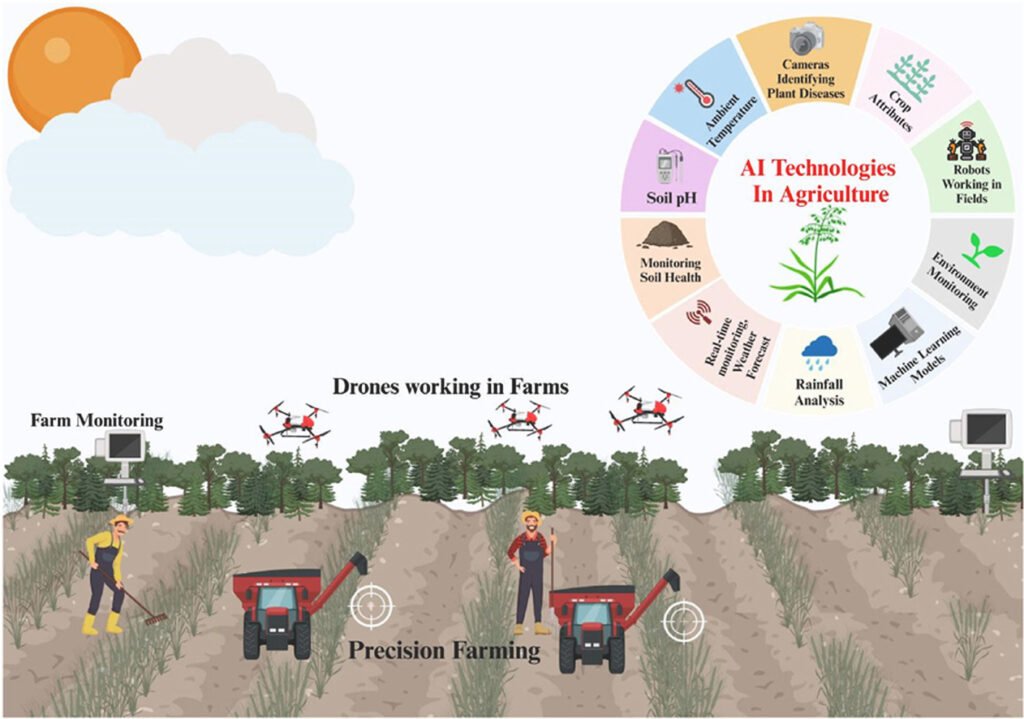
For countries like Pakistan, this global transformation presents both a challenge and an opportunity. Agriculture is not just an economic sector in Pakistan; it is the backbone of rural life, employment, and food security. Yet the sector still struggles with low productivity, water scarcity, outdated irrigation practices, and vulnerability to climate change. Farmers often irrigate fields without precise measurements, use excessive or insufficient fertilizers, and detect crop diseases too late.
Precision agriculture could be transformative. Imagine a cotton farmer in Sindh receiving automated alerts on his phone about pest risks before they spread. Imagine wheat growers in Punjab using satellite-based maps to determine exactly which part of their field needs irrigation. Imagine reducing water usage in a country already facing severe water stress, while simultaneously increasing crop output. These are not futuristic fantasies; they are practical applications already proven in other parts of the world.
Path toward intelligent farming in Pakistan is not simple. One of the biggest barriers is accessibility. Most farmers operate on small landholdings and cannot easily afford advanced technology. Another challenge is awareness; many rural communities are unfamiliar with digital tools and data-driven farming methods. Infrastructure limitations, including poor internet connectivity in rural areas, further slow adoption.
Despite these challenges, the opportunity remains too significant to ignore. Integration of precision agriculture into Pakistan’s farming system could reshape the entire agricultural economy. Water usage could be optimized through smart irrigation systems. Fertilizer costs could be reduced through targeted application. Crop losses due to pests and diseases could be minimized through early detection systems. Most importantly, farmer incomes could increase through improved productivity and reduced input waste.
To make this transition possible, a coordinated national effort is required. Government institutions must develop clear policies that support digital agriculture and encourage innovation. Subsidies and financial support should be provided for smart farming tools so that small farmers are not excluded from progress. Agricultural universities must shift toward research in artificial intelligence, data science, and modern farming techniques, ensuring that future graduates are prepared for a technology-driven agricultural sector.
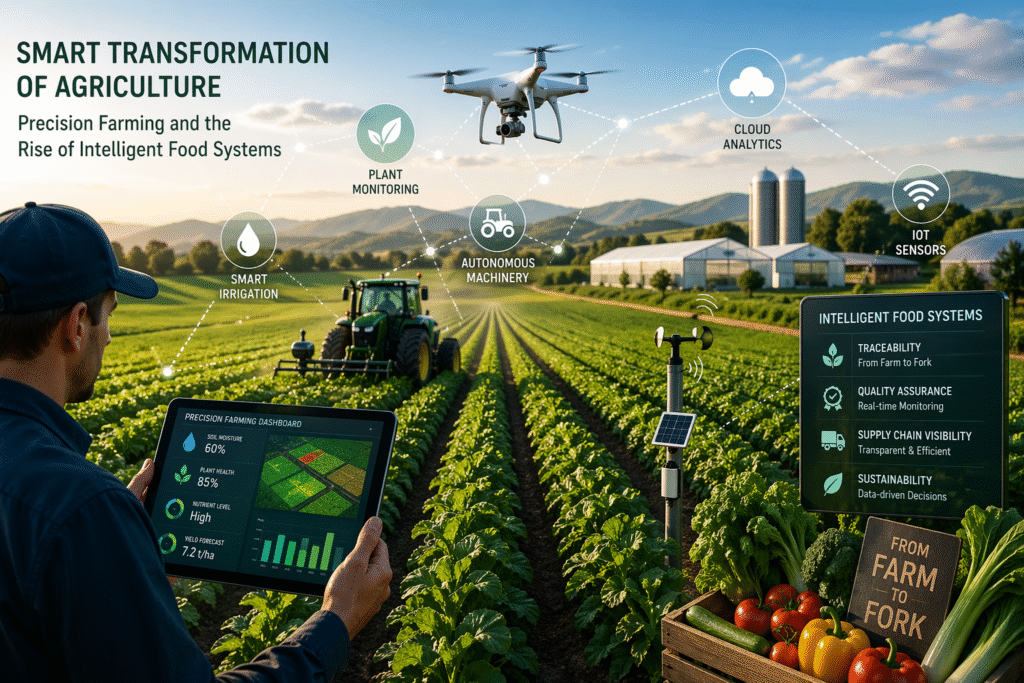
The private sector also has a crucial role to play. Startups and technology companies can develop low-cost, locally adapted solutions tailored to Pakistan’s crops, climate, and farmer needs. Mobile-based advisory systems in local languages can bridge the gap between complex technology and everyday farming decisions. At the same time, strong public-private partnerships can accelerate innovation and deployment at scale.
Equally important is farmer education. Technology alone cannot transform agriculture unless farmers are trained to use it effectively. Awareness campaigns, field demonstrations, and training centers in rural areas can help build trust and understanding. When farmers see real results higher yields, lower costs, healthier crops they are far more likely to adopt new methods.
The future of agriculture is not about replacing farmers with machines. It is about empowering farmers with intelligence. It is about combining generations of traditional knowledge with the precision of modern science. It is about turning uncertainty into predictability and struggle into sustainability.
As the world moves toward a future defined by climate change, population growth, and resource limitations, the importance of intelligent farming systems will only increase. Countries that adapt early will secure food stability and economic strength. Those that delay risk falling behind.
For Pakistan, the choice is clear but urgent. Foundations of precision agriculture are already built. What remains is the will to adopt them, invest in them, and integrate them into the heart of our agricultural system.
Story of farming is no longer just the story of soil and seeds. It is the story of data, intelligence, and innovation shaping the way humanity feeds itself. And in that story, the farmer of tomorrow will not only look at the sky; he will read the data, interpret the signals, and make decisions that secure not just his own field but the future of food itself.
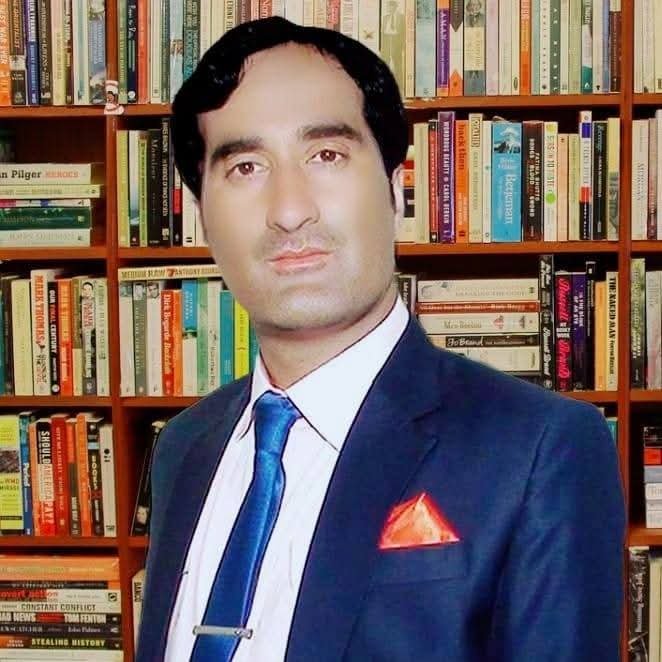
Raja Asad Azad
About Author :
Raja Asad Azad is a Research Associate at Freedom Gate Prosperity with over 10+ years of experience in academia and professional practice. He has worked with national and international organizations in financial management, research, and development.
His interests include innovation, economic development, and sustainable systems, focusing on agriculture, entrepreneurship, and policy research.
Contact: +92 300 5573870 | ased.azad@fgp.org.pk
The author can be reached at rajaasadiiu@gmail.com
